Spinal fixation or spinal fusion is recommended when a portion of your spine is unstable, structurally damaged, deformed, or at risk of becoming unstable after another surgical procedure. Fixation usually refers to the hardware used to stabilize the spine, while fusion is the process of allowing two or more vertebrae to heal together into a solid segment.
These treatment options are highly effective when used for the right problem and can be an effective treatment for someone with persistent back pain or neck pain. While the rates of spinal fusion and fixation surgeries are increasing, the decision to operate should come from an expert who considers everything from your specific combination of symptoms, neurologic examination, imaging, spinal alignment, and evidence of spinal instability.
Read on to learn more about spinal fusion and spinal fixation, including when each surgery may be recommended, and where to find the best spinal fusion surgeon in California to guide your treatment.
What Back Conditions May Require Spinal Fixation or Fusion?
Spinal fixation and fusion are most useful when the spine cannot provide adequate stability on its own. Several different conditions can create that situation:
Spondylolisthesis and Spinal Instability
Spondylolisthesis occurs when one vertebra slips relative to another. In some patients, the slip causes no symptoms. In others, it can contribute to back pain, nerve compression, weakness, or narrowing around the spinal nerves. Degenerative changes can also weaken the structures that normally keep the vertebrae aligned.
Spinal Deformity
Conditions that change the normal alignment of the spine, including certain forms of scoliosis or other deformities, can place abnormal stress on the vertebrae, disks, and nerves. In more advanced cases, fixation and fusion may be used to restore alignment and create a stable spinal construct.
Fractures and Traumatic Instability
A spinal fracture can damage the bones and supporting structures that normally keep the spine stable. If the injury creates significant instability, fixation may be necessary to hold the vertebrae in an appropriate position while the spine heals.
Tumors and Destructive Spinal Conditions
Some spinal tumors can weaken or destroy part of a vertebra. When the structural integrity of the spine has been compromised, stabilization may be needed along with treatment of the underlying condition.
Advanced Degenerative Disease
Severe degeneration can sometimes produce painful motion, deformity, or instability. Fusion may be appropriate in carefully selected patients, particularly when other procedures would leave the spine unstable.
What Is the Difference Between Spinal Fixation and Spinal Fusion?
Spinal fixation stabilizes the spine with hardware. Spinal fusion creates a biological connection between vertebrae, so they eventually heal into one solid segment. The two procedures are sometimes performed together, but they describe different parts of the treatment.
| Spinal fixation |
Spinal fusion |
| Uses hardware to stabilize the spine |
Uses bone healing to permanently join vertebrae |
| May involve screws, rods, plates, or other implants |
Requires bone graft or another fusion material |
| Provides immediate mechanical stability |
Develops gradually as the bone heals |
| Often used as part of a fusion procedure |
May be supported by fixation hardware |
| Does not itself mean the bones have fused |
Reduces or eliminates motion at the fused level |
How Does a Surgeon Decide If You Actually Need Fusion?
The decision on whether you need a spinal fusion or not starts with your symptoms and examination, not with the MRI alone. Things the best spine surgeon in California considers include:
- Your symptoms: Where is the pain located? Does it travel into an arm or leg? Do you have numbness, weakness, or difficulty walking?
- Your neurologic examination: Are there objective signs of nerve or spinal cord dysfunction?
- Imaging: What do MRI, CT, and X-rays show?
- Stability: Does the affected portion of the spine move abnormally?
- Alignment: Is there a deformity or loss of normal spinal alignment?
- The planned decompression: Would removing bone, disk material or other structures make the spine unstable?
- Your overall health: Bone quality, medical conditions, previous operations and other factors can affect the risks and expected benefits.
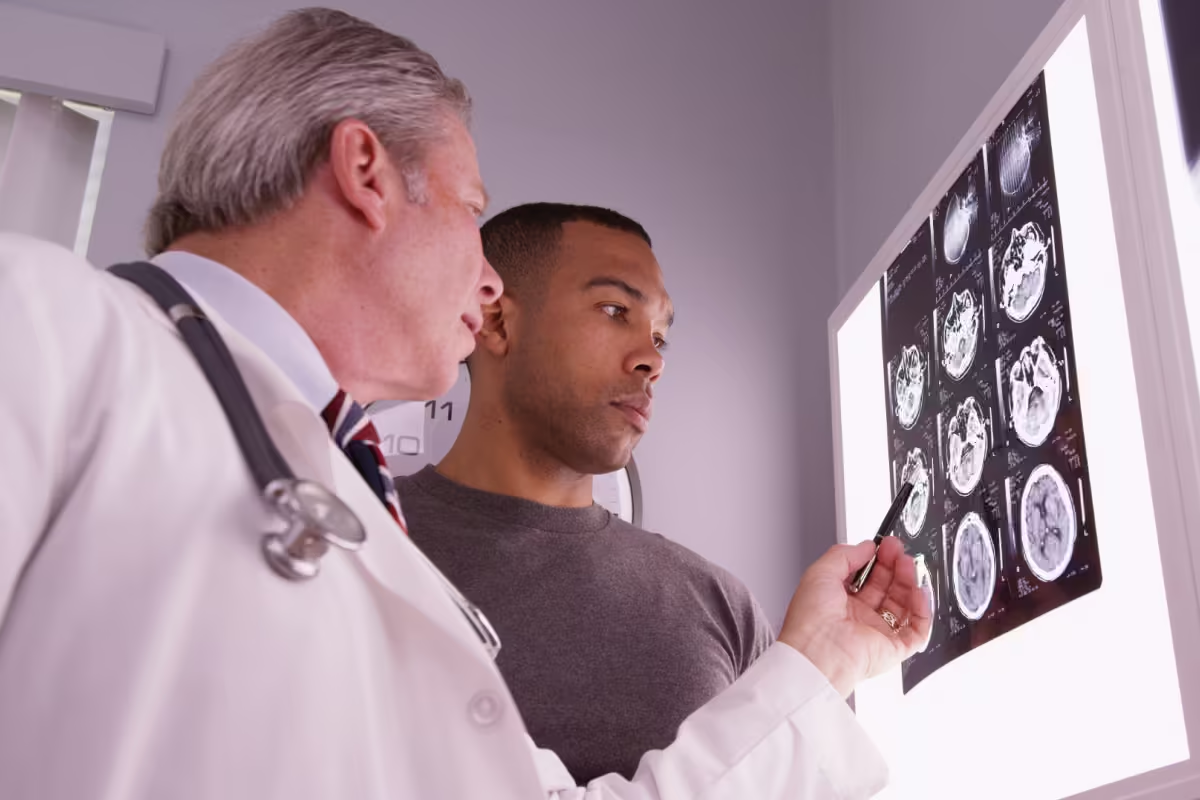
An MRI is particularly useful for evaluating disks, nerves, the spinal cord and soft tissues. A CT scan provides detailed information about the bones and can be valuable when evaluating fractures, bony anatomy, previous fusion or complex structural problems. X-rays also provide information about alignment and can sometimes show instability that is not apparent from a single MRI. In some cases, flexion and extension X-rays can demonstrate abnormal movement between vertebrae.
Can You Avoid Spinal Fusion?
Whether a spinal fusion can be avoided depends on the underlying problem and what the spine needs to remain stable after treatment. Many spine conditions can initially be managed with nonsurgical care, including physical therapy, activity modification, medication, or targeted injections when appropriate. If symptoms improve and there is no dangerous neurologic or structural problem, surgery may not be necessary.
Even when surgery is needed, fusion is not always the only surgical option. For example, some patients with nerve compression may benefit from spinal decompression if their spine is stable. In some younger patients with certain forms of spondylolisthesis and limited degenerative changes, a motion-preserving procedure such as pars repair may be considered instead of fusion.
Fusion becomes a better option when there is:
- Significant spinal instability
- Progressive deformity
- A fracture that compromises stability
- Certain forms of spondylolisthesis
- Structural destruction from a tumor or other disease
- Recurrent instability after previous surgery
- A need for decompression that would substantially destabilize the spine
What Should You Expect After Spinal Fixation or Fusion?
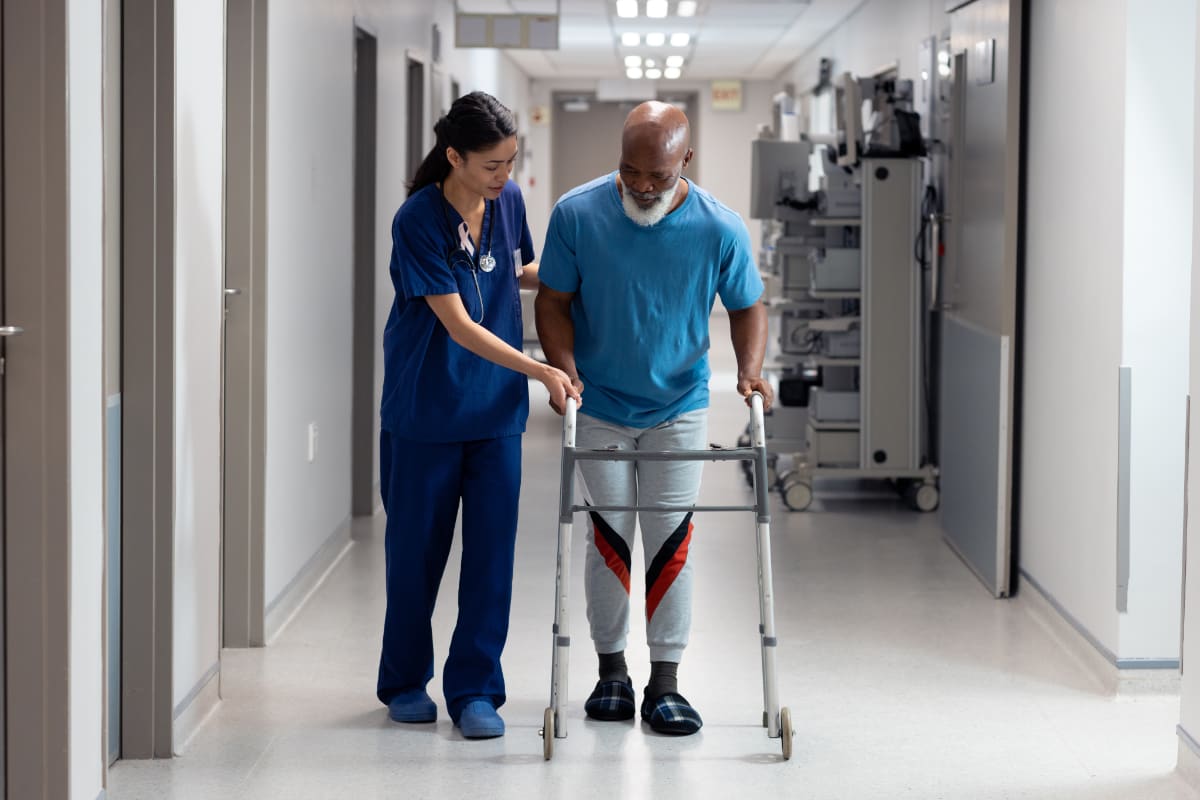
Immediately after surgery, the focus is usually on pain control, neurologic monitoring, and safe movement. Most patients are encouraged to get out of bed and walk relatively soon after surgery. Hospitalization may last several days after some fusion procedures, although the exact length depends on the operation and the patient's condition.
With the best spinal fusion surgeon in California, your recovery plan may include:
- Gradually increasing walking and daily activity
- Temporary restrictions on lifting, bending, or twisting
- Medication for postoperative discomfort
- Physical therapy when appropriate
- Follow-up imaging to assess alignment and healing
- A gradual return to work, exercise, and other activities
What Are the Risks of Getting a Spinal Fusion?
Like any major operation, spinal fusion carries potential risks. These can include infection, bleeding, blood clots, nerve or blood vessel injury, problems with wound healing, persistent or recurrent symptoms, and problems with the fusion itself. There are also longer-term considerations. Because a fused segment no longer moves normally, the levels above or below it may experience greater mechanical demands.
Where to Find the Best Spinal Fusion Surgeon in Southern California
Spinal fixation and fusion can be important tools for restoring stability when the spine has become structurally compromised. The team at California Neurosurgical Specialists understands that the decision to have spine surgery is not something you can take lightly. That’s why we look at the entire clinical picture, including your symptoms, neurologic examination, imaging, and the mechanical problem that surgery needs to solve.
Dr. Arnau Benet, MD, PhD, brings extensive international training in complex neurosurgery, including experience at UCSF and Barrow Neurological Institute, along with advanced fellowship training in cerebrovascular and skull base surgery in Japan. He also serves as an Assistant Professor of Neurosurgery at UCSF and an Adjunct Professor at Barrow Neurological Institute. Our goal is to bring that depth of expertise to complex brain and spine care in Southern California while keeping the focus on the individual patient and the procedure that is actually warranted.
Ready to see if spinal fusion and fixation are right for you with the best spine surgeon in Southern California?




.svg)


.svg)
.svg)