Trigeminal neuralgia is a chronic neurological condition that causes sudden, severe facial pain, often triggered by everyday activities like talking, chewing, or even a light touch. This condition can cause a flash of pain across your face that feels like an electric shock, stopping a conversation, interrupting a meal, or making brushing your teeth unbearable.
These painful episodes are often mistaken for dental, sinus, or jaw problems, leading many people to spend months or even years visiting dentists, ENT specialists, and pain management providers before receiving the right diagnosis. Learning to recognize the distinct symptoms of trigeminal neuralgia is the first step toward finding effective treatment and reclaiming your quality of life.
Read on to learn what causes trigeminal neuralgia, how it's diagnosed, and the advanced treatment options available with the best trigeminal neuralgia surgeon in Los Angeles.
What Is Trigeminal Neuralgia?
Trigeminal neuralgia is a chronic neurological pain disorder that affects the trigeminal nerve, which carries feeling from the face to the brain. When this nerve becomes irritated, the brain can receive pain signals even when there is no stimulus.
People describe the pain as an electric shock, a stabbing sensation, or a sudden jolt that lasts from a few seconds to a couple of minutes. These attacks may happen several times a day and can become more frequent over time. The most common form, called classic trigeminal neuralgia, is usually caused by a blood vessel pressing against the nerve.
Less commonly, the condition develops because of another neurological disorder, such as multiple sclerosis (MS), or a tumor affecting the nerve. Identifying the type of trigeminal neuralgia is an important part of choosing the most effective treatment.
Trigeminal Neuralgia Symptoms
The pain caused by trigeminal neuralgia often begins without warning. Simple daily activities like brushing your teeth, washing your face, chewing, speaking, smiling, or feeling a cool breeze can trigger a painful episode. The pain usually affects one side of the face and commonly develops around the cheek, jaw, lips, or eye. Many patients first believe they have a dental problem because the pain can feel like it is coming from a tooth.
Others seek treatment for sinus infections, temporomandibular joint disorders, or chronic facial pain before learning the true cause. Recognizing these pain patterns can help distinguish trigeminal neuralgia from other conditions that produce facial discomfort, but only an experienced trigeminal neuralgia surgeon in Los Angeles can determine for sure whether additional neurological testing is needed.
What Causes Trigeminal Neuralgia?
The leading cause of trigeminal neuralgia is pressure on the trigeminal nerve from a nearby artery or vein. Over time, this repeated contact can wear away the nerve's protective covering, allowing pain signals to fire more easily. Some people develop trigeminal neuralgia because of multiple sclerosis, facial injuries, or tumors near the nerve.
Age also plays a role, and the condition is diagnosed more often in adults over 50. Women are affected slightly more often than men. Understanding the underlying cause is important because treatment recommendations depend on what is causing the nerve irritation. Advanced imaging is the best way for specialists to look for nerve compression and other conditions that may require a different approach.
How Is Trigeminal Neuralgia Diagnosed?
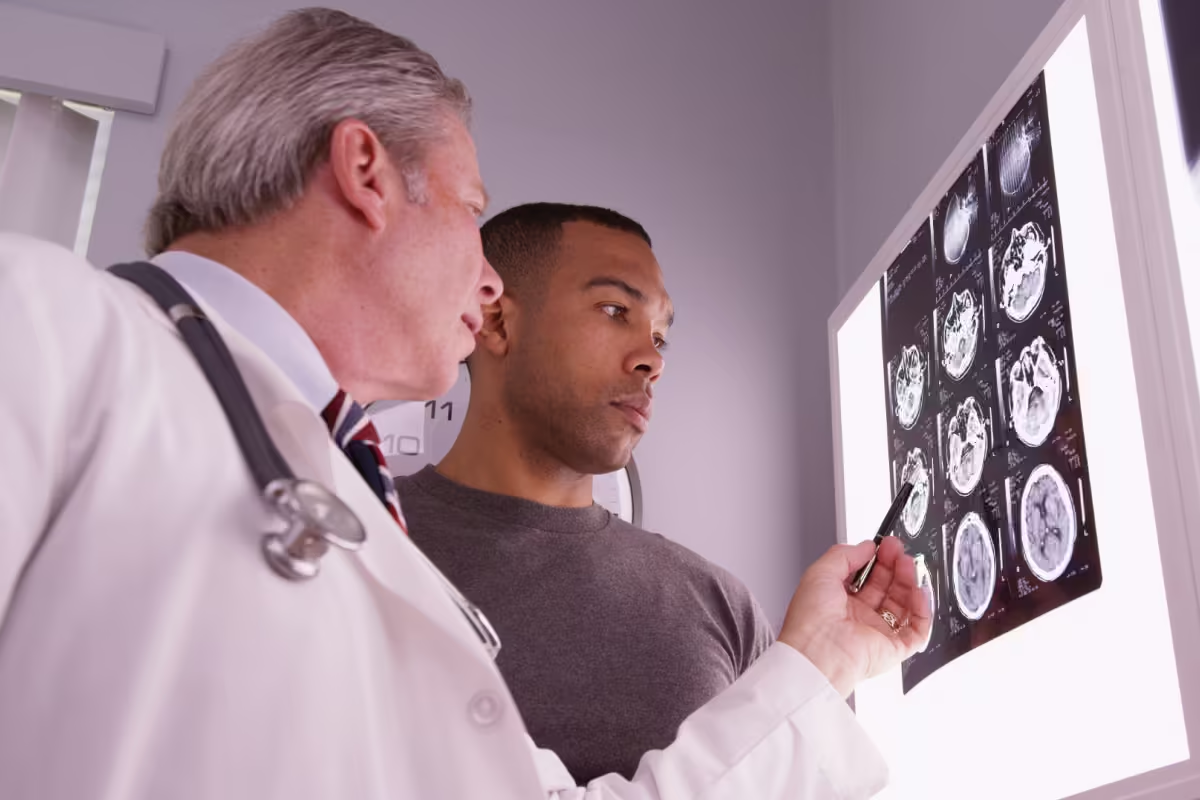
Diagnosis and treatment rely on diagnostic tests, usually beginning with a detailed discussion about your symptoms, including where the pain occurs, how long attacks last, and what triggers them. From there, a neurological examination helps identify changes in facial sensation or other signs of a nerve disorder. Magnetic resonance imaging, or MRI, is commonly used to look for blood vessels pressing against the trigeminal nerve and to rule out tumors or multiple sclerosis. A thorough evaluation from an experienced neurological team ensures you have an accurate diagnosis.
Trigeminal Neuralgia Treatment Options
Treatment from the best neurosurgeon in Los Angeles depends on the cause of the pain, its severity, and how well symptoms respond to medication. Many patients begin with conservative treatments and gradually explore other options as needed. Starting with the most conservative treatment:
- Medications that calm overactive nerve signals and reduce the frequency of painful attacks, including Botox and nerve-focused injections
- Minimally invasive surgery, including microvascular decompression, for blood vessel compression
- Stereotactic radiosurgery or targeted procedures that interrupt pain signals
Finding the Best Brain Surgeon in Los Angeles for Trigeminal Neuralgia Treatment
Living with sudden, severe facial pain can make even the simplest parts of the day feel unpredictable. This is why California Neurosurgical Specialists is committed to helping patients move beyond uncertainty through comprehensive neurological evaluations, advanced imaging, and personalized treatment plans.
Our team is led by Dr. Arnau Benet, who brings exceptional expertise to the diagnosis and treatment of trigeminal neuralgia, combining advanced microsurgical skill with a deep understanding of the brain's most delicate anatomy. His experience treating complex conditions involving the nerves and blood vessels of the brain makes him uniquely qualified to evaluate whether procedures such as microvascular decompression or other advanced treatments are the right solution for lasting facial pain relief.
Ready to find effective treatment options for trigeminal neuralgia symptoms with help from the best brain surgeon in Los Angeles?





.svg)


.svg)
.svg)